
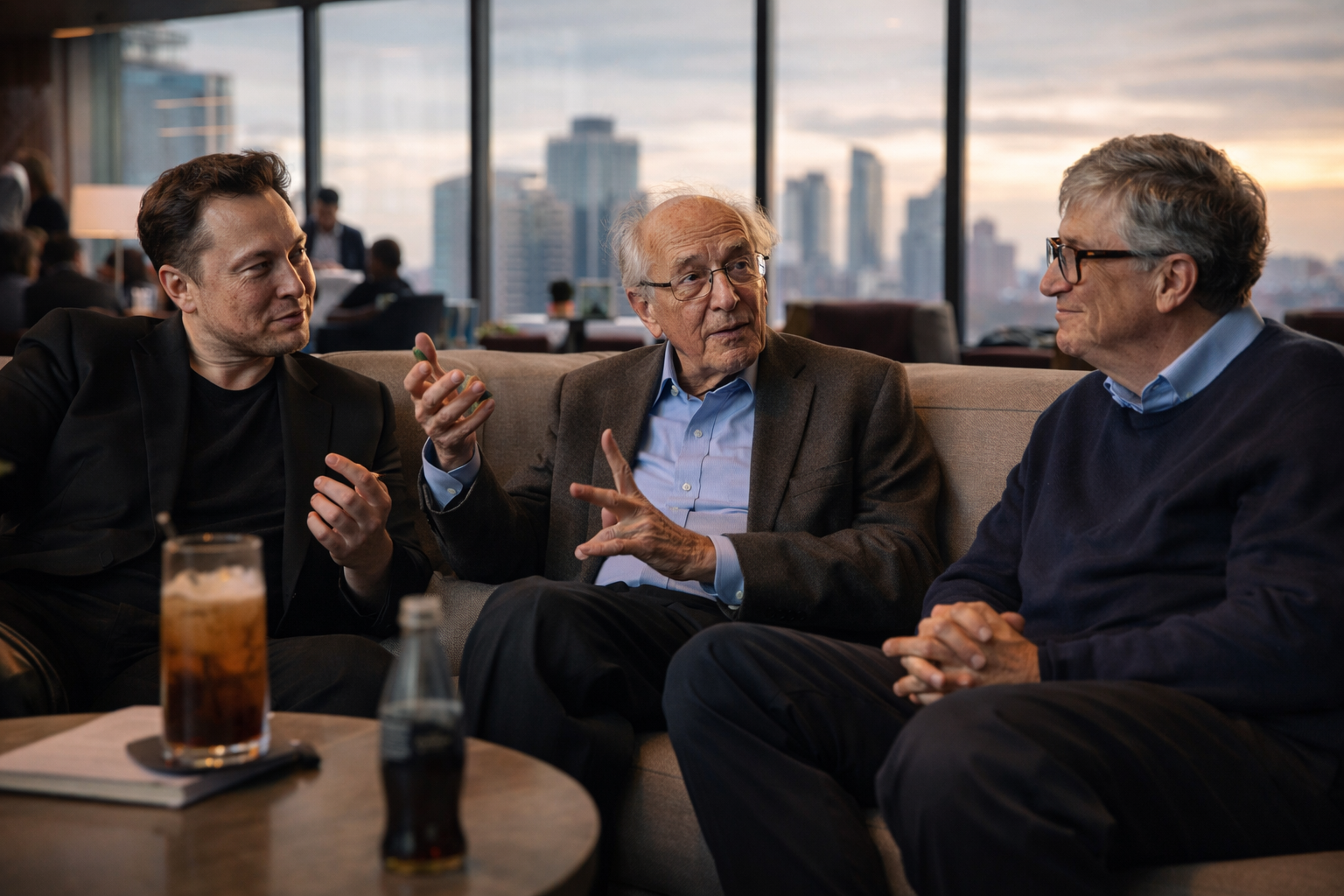

A new perspective from a Nobel Prize-winning physicist has reignited debate about the future of work, echoing views previously expressed by Elon Musk and Bill Gates. The central idea is simple but disruptive: as artificial intelligence continues to advance, people may eventually have more free time — but far fewer traditional jobs.
In 2026, as automation expands across industries, this conversation is shifting from theory to something increasingly tangible.
What Was Said
The physicist’s remarks build on a broader trend of experts warning that AI and automation could significantly reduce the need for human labour in many sectors. Tasks that once required large workforces are now being handled by intelligent systems capable of learning, adapting, and operating at scale.
Both Musk and Gates have previously suggested that societies may need to rethink the concept of work itself, with discussions around universal basic income and shorter working weeks gaining traction. The latest comments reinforce the idea that this transition may arrive sooner than expected.
Why This Matters
The implications extend far beyond technology. If automation continues at its current pace, entire job categories could be transformed or eliminated, particularly in areas involving repetitive or predictable tasks.
At the same time, new opportunities may emerge in fields that require creativity, complex decision-making, and human interaction. However, the transition could create significant short-term disruption, especially for workers whose roles are most exposed to automation.
For governments and businesses, the challenge will be managing this shift in a way that balances productivity gains with social stability.
| Aspect | Detail | Impact |
|---|---|---|
| Trend | AI and automation growth | Reduces need for routine jobs |
| Key Figures | Musk, Gates, scientific experts | Influential perspectives |
| Potential Outcome | More free time, fewer jobs | Structural workforce change |
| Timeline | Ongoing into 2030s | Gradual but accelerating shift |
What Happens Next
Looking ahead, policymakers may need to explore new economic models to adapt to a changing labour landscape. This could include redefining work structures, investing in reskilling programmes, and considering income support mechanisms.
Businesses are also likely to continue integrating AI into operations, prioritising efficiency and scalability. As this happens, the demand for hybrid skill sets — combining technical knowledge with human-centric abilities — is expected to increase.
Conclusion
The idea that people could have more free time but fewer jobs reflects a fundamental shift in how economies may function in the future. While technological progress offers clear benefits, it also raises complex questions about employment, income distribution, and societal structure.
As 2026 unfolds, the discussion is no longer about whether change will happen, but how quickly it will reshape the way people live and work.
Disclaimer
This article is based on current expert opinions and technological trends. Future outcomes may vary depending on economic, policy, and technological developments.